Field power is part of the observing setup, not an accessory to consider after the telescope is ready. A camera, recorder, timer and computer may all appear to work on a bench yet behave differently when connected together outdoors. A dependable arrangement starts with suitable equipment, clear identification of its requirements and careful handling. This page describes general checks rather than instructions for constructing a power supply.
List the equipment that must remain operating through the event and the surrounding recording period. Include the devices that support the measurement, such as a time reference or control interface. A computer that remains powered while its camera or timer shuts down does not preserve an observing chain. Keep the power plan alongside the configuration notes so that an unexpected interruption can be described accurately.
Choose a suitable battery arrangement
Portable equipment may use replaceable cells, rechargeable packs or larger enclosed batteries. These categories differ in handling, charging requirements and the protection built into their enclosures. Use an arrangement intended for the equipment and follow its supplied requirements. A pack that has the right connector shape may still have an unsuitable output. Appearance alone is a poor guide to compatibility.
Consider the complete session when assessing capacity. Setup, focusing, timing checks and packing away all require power outside the event itself. A device's behaviour at low charge matters as much as how long it normally operates. Some equipment shuts down cleanly; other equipment may restart or stop recording without a clear warning. A rehearsal with the actual observing arrangement is useful evidence, while a different combination of devices is only a rough comparison.
The timing source deserves the same attention as the camera. Wikipedia's explanation of GPS describes receivers obtaining position and time information where signal quality permits. Battery power makes such a receiver portable, but it does not establish valid timing by itself. After any loss of power, check the timing state again using the principles in judging the quality of time.
Check voltage and polarity before connection
Compare each device's stated input requirements with the supply intended for it. Check the voltage before connecting equipment, using an appropriate instrument only if familiar with its safe use. Keep the equipment disconnected while resolving an uncertain reading or unclear requirement. Do not experiment with an unknown supply in the hope that the device will tolerate it.
Polarity must be confirmed independently of connector appearance. Similar-looking plugs can be arranged differently, and an adapter can change the relationship between its ends. Identify leads clearly and keep unfamiliar adapters out of the observing arrangement until their compatibility is established. Make connections in adequate light, then review them before the session becomes dark and hurried.
Fuses and other protective provisions belong in an appropriate, professionally understood arrangement. Their purpose is not a reason to improvise ratings or alter protection supplied with equipment. An unexplained blown fuse calls for investigation of the cause, rather than repeated replacement. Equipment with damaged insulation, loose terminals or signs of overheating should be set aside for qualified inspection.
Keep large batteries covered and secure
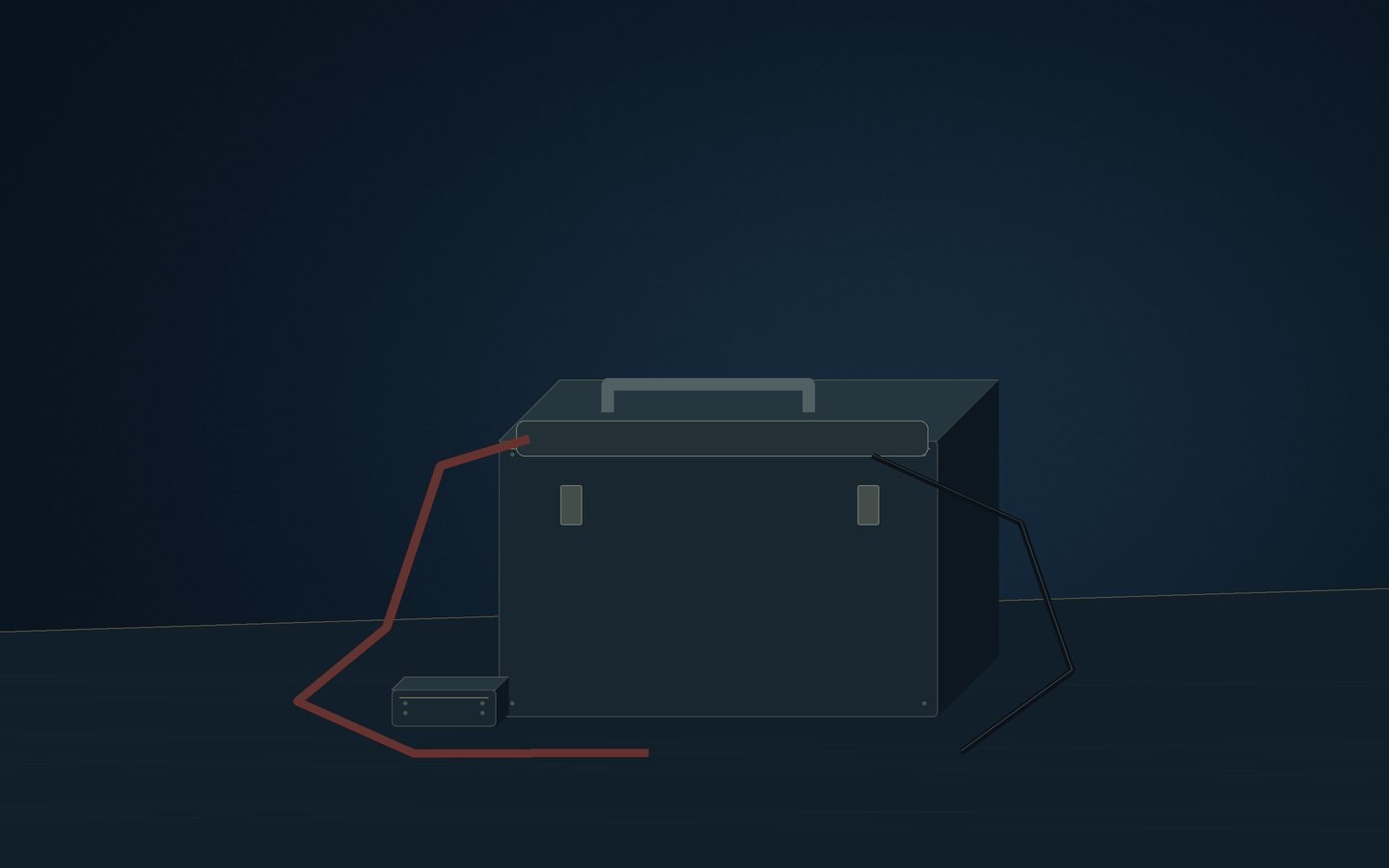
Large batteries should sit in a suitable covered enclosure with their terminals protected. Keep metal tools, loose connectors and other conductive items away from exposed terminals. Secure the battery so that transport or a pulled cable cannot overturn it. The observing area should remain orderly enough that the enclosure can be found and accessed without moving the telescope.
Charging belongs in the conditions specified for the battery and charger. Different battery types have different requirements, so a familiar-looking charger is not a substitute for checking compatibility. Keep charging equipment away from the active observing arrangement when its placement or operation is uncertain. This guide offers no instructions for building or modifying mains equipment.
Never connect observing equipment to a starting car battery while the engine is being cranked. Starting and other changes in a vehicle's electrical system can involve disturbances unsuitable for attached instruments. Treat a vehicle supply as an arrangement requiring proper assessment, not as a convenient substitute for a prepared field battery. If its behaviour is unclear, use a separate suitable supply.
Lay out the cables before darkness
Route power leads so that movement of the telescope does not pull on connectors. Leave appropriate slack at moving parts without leaving loops where they can snag. Keep cables away from damp ground where practical, protect connections from moisture in a suitable enclosure, and follow the equipment's environmental limits. A dry indoor trial cannot establish suitability for outdoor exposure.
Separate equipment roles in the notes even when they share a supply. If a camera restarts, record whether the timer and recorder also restarted. This detail may explain a break in the sequence or a change in timestamp interpretation. The page on recording software and file formats explains why a cleanly finished file and retained timing metadata matter after an interrupted session.
Before observing, review the supply condition, covered terminals, connector security and cable clearance with the equipment in its intended positions. Confirm that an orderly shutdown is possible without disturbing the telescope. Keep the arrangement simple enough to inspect and label clearly. For the separate question of where timing information enters the system, see hardware timers.
If in doubt, have a qualified person check any power arrangement before connecting equipment.