A small Dobsonian reflector combines an accessible optical layout with a straightforward mounting idea. It is a useful subject for amateur telescope making because the optics and structure can be considered separately, then brought together into a working instrument. The craft lies in making those parts cooperate: a carefully shaped mirror needs good support, and a simple mount needs predictable movement.
Wikipedia describes the Dobsonian design as an altazimuth-mounted Newtonian telescope. In general terms, the tube tilts in altitude and the base turns in azimuth. This arrangement gives a telescope a stable place to stand and a direct way to point around the sky. Simplicity of concept still leaves important choices about balance, stiffness and alignment.
Follow the light through the reflector
The Newtonian layout uses a concave primary mirror to gather light and bring it toward a focus. A smaller flat secondary mirror redirects the converging light toward a focuser on the side of the tube. The primary forms the image; the secondary changes the direction of the optical path. The structural arrangement must keep that path clear and the components aligned.
Focal ratio relates focal length to aperture. It describes the proportions of the optical system rather than the quality of the finished telescope. A different focal ratio can change tube length, the scale of the image at focus and the demands placed on alignment. Choose the intended optical layout before making structural parts whose positions depend on it.
The focuser must reach the intended focus with the accessories that will be used. A camera may require a different mechanical arrangement from an eyepiece. Consider this during planning instead of assuming a visual configuration will accept every recording arrangement. Camera selection places image scale and field of view alongside the optical and recording requirements.
Grinding, polishing and figuring
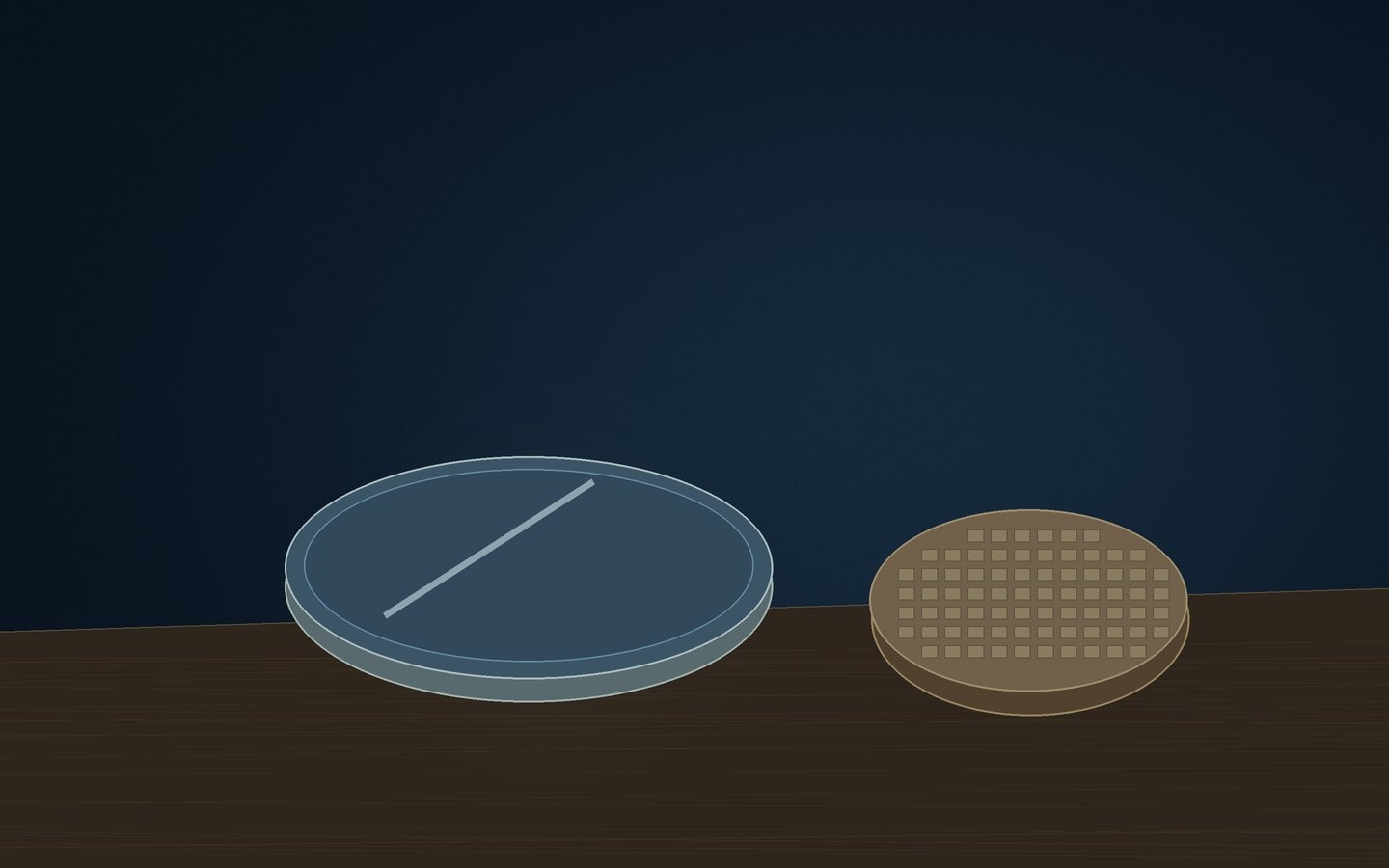
Mirror making begins with a suitable glass blank and a tool used with abrasives. Grinding develops the curved surface, progressively finer work removes the roughness left by earlier stages, and polishing brings the surface to an optical finish. Clean working conditions and careful separation of abrasive stages are part of the craft. A stray coarse particle can undo progress made with a finer stage.
Wikipedia's account of amateur telescope making describes a glass disk being ground, polished and figured to the required shape. Figuring is the controlled work that brings a polished surface toward the optical form needed by the design. A polished appearance alone does not establish that form. Tests guide the work and show where a change is needed.
Keep a working record of the stage reached, the test conditions and the changes made between tests. This makes it easier to interpret progress without depending on an impression of the latest surface. Small deliberate changes followed by clear testing are more informative than an extended polishing session whose effect is difficult to separate into causes.
The Foucault knife-edge test
Wikipedia describes the Foucault knife-edge test as an optical method for measuring the shape of concave mirrors. A light source and a knife edge examine the returning light, producing patterns related to the surface. The test is useful because a polished mirror can look uniform while its optical figure still differs from the intended form.
The mirror sits securely on a stand, and the tester is arranged near the appropriate return position. Changes in tester position alter the visible pattern, so repeatable setup and recorded observations matter. The pattern should be interpreted within the test method rather than judged only as an interesting patch of light and shadow. A convincing-looking pattern can still be read incorrectly.
Testing also teaches the importance of separating observation from expectation. Record what is visible and what was measured before deciding on the next change. Seek consistency between repeated tests and the optical design being pursued. The finished surface needs an appropriate reflective coating, but coating cannot substitute for achieving and checking the required figure first.
Build a mount that moves predictably
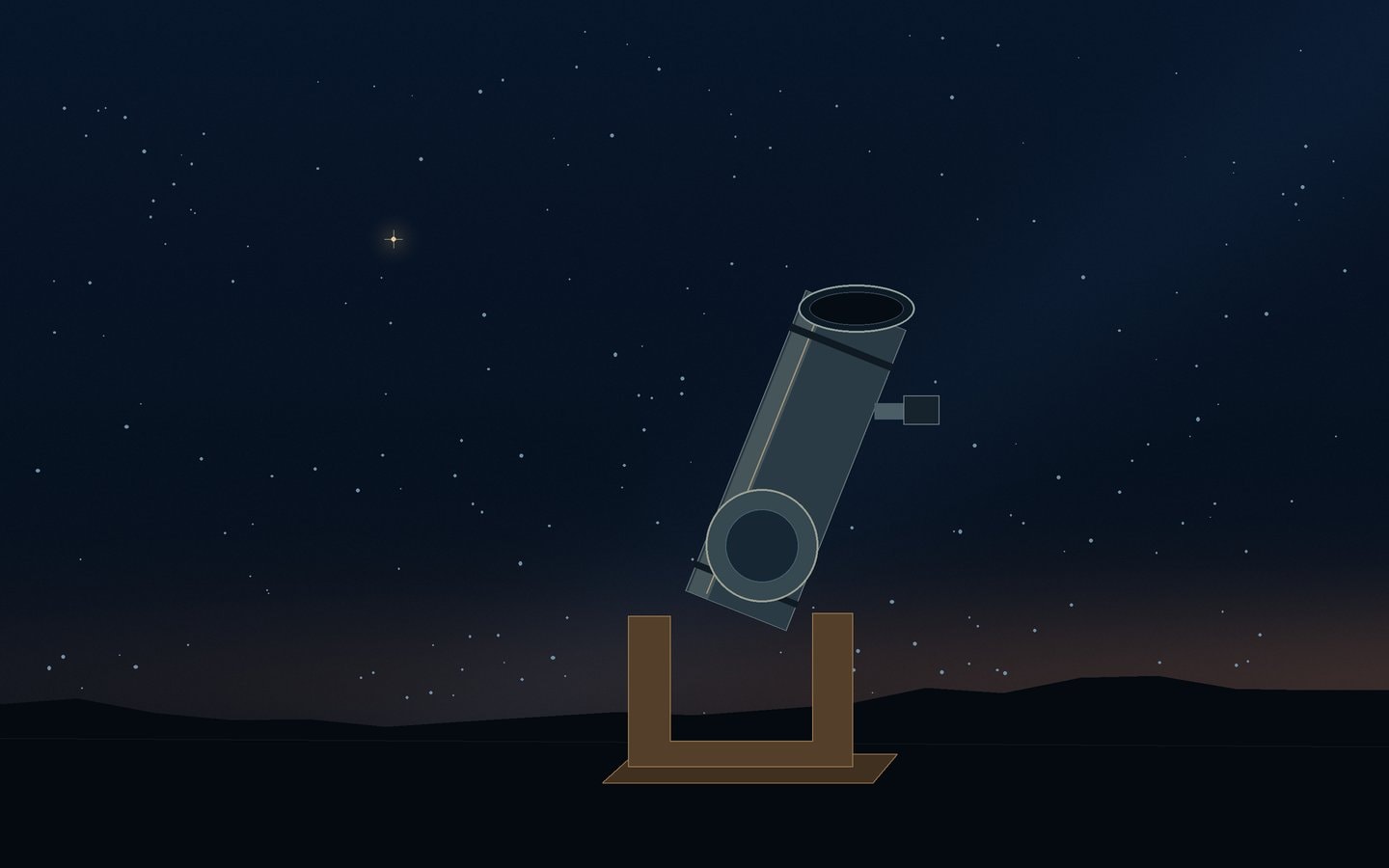
The box mount supports the tube through altitude bearings while a base provides azimuth movement. The structure should remain stiff enough that pointing does not shift unpredictably as the telescope changes position. Bearing movement should be smooth enough for adjustment and resistant enough to hold the selected direction. Balance must be assessed with the accessories intended for use.
A heavier camera or a different finder can change the tube's balance. Consider the completed instrument rather than the empty tube alone. Keep cables from adding a changing pull as the telescope moves, and arrange the mounting so essential adjustments remain accessible. A telescope that holds alignment during transport and setup is easier to use consistently in the field.
A basic unpowered altazimuth mount does not follow the sky automatically. For a recording session, determine how the target will stay in the useful field and whether movement introduces interruptions. Do not assume that a telescope suited to casual viewing will keep a star steady through an unattended sequence. Short occultation events place particular weight on preserving a usable record around the expected change.
Bring the optical and mechanical checks together before depending on the instrument. Confirm alignment, focus, balance and the intended field with the actual accessories attached. The practical considerations in observing at the eyepiece belong in session preparation as well. A small reflector is a rewarding craft project when its performance follows from understood optics, careful testing and a structure that supports the intended observation.